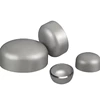
Material Selection Guide For Concentric Reducers: Standards & Testing
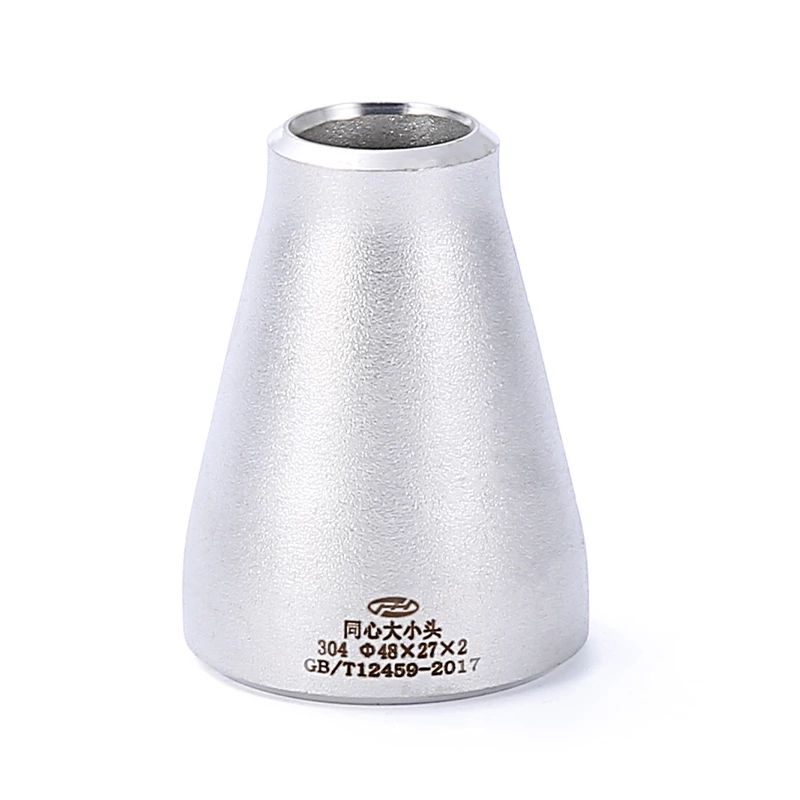
Choosing the right concentric reducer depends on matching line pressure, fluid chemistry, and operating temperature against verified material standards. Carbon steel handles general pressure, stainless steel prevents chemical corrosion, and alloy steel withstands extreme heat.
Selecting the correct raw material requires evaluating three factors: operating temperature, fluid acidity, and system pressure. Always verify ASTM standards (A234/A403) via Mill Test Certificates before installation.
Material Standards & Applications
-
Carbon Steel (ASTM A234 WPB): Built for high-pressure utility lines where strength matters most. A carbon steel pipe reducer provides durable structural integrity without excessive material cost.
-
Stainless Steel (ASTM A403 WP316L): Essential for aggressive chemical media. Using a stainless steel concentric reducer eliminates pitting and oxidation in process pipelines.
-
Alloy Steel (ASTM A234 WP11): Formulated for high-temperature steam lines prone to thermal expansion and creep.
Technical Comparison Matrix
| Steel Type | ASTM Standard | Core Benefit | Mandatory Quality Inspection |
|---|---|---|---|
| Carbon Steel | A234 WPB | Pressure Resistance | Ultrasonic Flaw Detection |
| Stainless Steel | A403 WP316L | Corrosion Immunity | Positive Material Identification |
| Alloy Steel | A234 WP11 | High-Heat Stability | Hydrostatic Testing |
3 Non-Negotiable Quality Testing Protocols
Ensuring long-term pipeline safety requires strict non-destructive testing on every concentric pipe reducer stock:
-
Positive Material Identification (PMI): Uses X-ray fluorescence to confirm exact chemical element proportions before forming.
-
Ultrasonic Flaw Detection: Scans internal steel structures to spot hidden laminations, voids, or micro-cracks.
-
Hydrostatic Testing: Verifies structural wall endurance under extreme fluid pressure loads.
Material Selection Checklist
-
Check chemical compatibility to avoid premature corrosion.
-
Confirm ASME B16.9 dimensional tolerances for tight joint fitment.
-
Request EN 10204 3.1 Mill Test Certificates for material traceability.
Selecting the right concentric reducer guarantees system efficiency, prevents line failure, and keeps pipeline operations fully compliant with global engineering standards.