High Pressure Elbow Failure Risks: Matching Steel Grades For Marine Atmospheres
High-pressure piping installations in coastal facilities demand exact material specifications to withstand harsh mechanical loads and aggressive atmospheric conditions. Using unapproved alloy substitutions during construction often causes catastrophic line ruptures, severe fluid leaks, and unexpected structural failure.
Nuclear Hydrogen Plant Component Failure Analysis
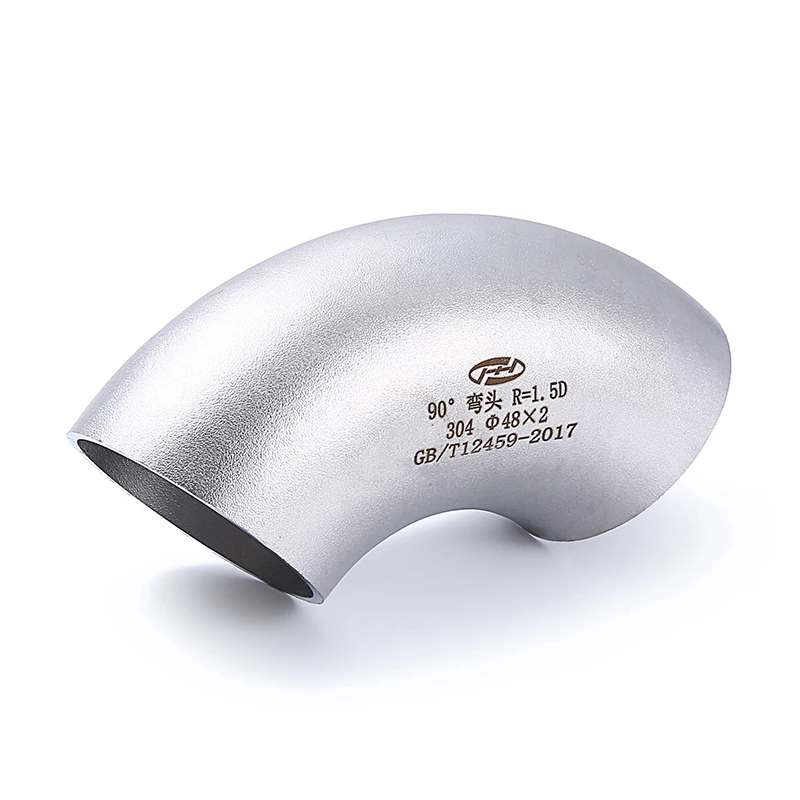
An off-shore hydrogen processing unit experienced sudden wall thinning and stress corrosion cracking. Inspection records revealed contractors installed standard Grade 304 stainless steel weld elbows instead of specified Grade 316L components during scheduled maintenance replacements.
Metallurgical Differences in Marine Operating Conditions
Molybdenum content determines pitting resistance in saltwater environments. Standard Grade 304 stainless weld elbows lack molybdenum, yielding lower Pitting Resistance Equivalent Number values. Under elevated pressure, chloride-induced pitting accelerates intergranular cracking, compromising mechanical structural integrity.
Steel Alloy Performance Comparison
Selecting fitting components requires balancing yield strength against ambient corrosion mechanisms. Project designers must match operating pressure metrics with suitable steel chemistry to maintain operational service lifetimes in coastal process plants.
| Steel Grade | Molybdenum Content | PREN Range | Primary Application |
|---|---|---|---|
| 304 | 0% | 18 - 20 | Low Chloride Fresh Water |
| 316L | 2.0% - 2.5% | 23 - 25 | Marine Atmosphere Systems |
| 2205 Duplex | 3.0% - 3.5% | 32 - 35 | High Pressure Coastal Lines |
Every stainless steel butt weld elbow must meet explicit pressure ratings and chemical limits. While 316L handles coastal air exposures, extreme pressure lines carrying aggressive media frequently necessitate higher strength duplex alloys to avoid stress corrosion failures.
Field Inspection Protocol for High Pressure Lines
Quality Verification Steps
-
Verify Positive Material Identification certificates prior to placing fitting stock into active installation lines.
-
Inspect wall thickness tolerances alongside weld preparation angles across incoming component shipments.
-
Check hardness parameters to prevent hydrogen embrittlement across high stress mechanical zones.
-
Validate post-weld heat treatment logs when executing elbow steel butt welding procedures.
Executing elbow steel butt welding without full material verification risks immediate joint degradation under pressure. Technical supervisors must follow rigorous field protocols to ensure installed components meet engineering parameters prior to commissioning.