Why You Should Regularly Inspect The Sealing Integrity Of Stainless Steel Tees In Piping Systems
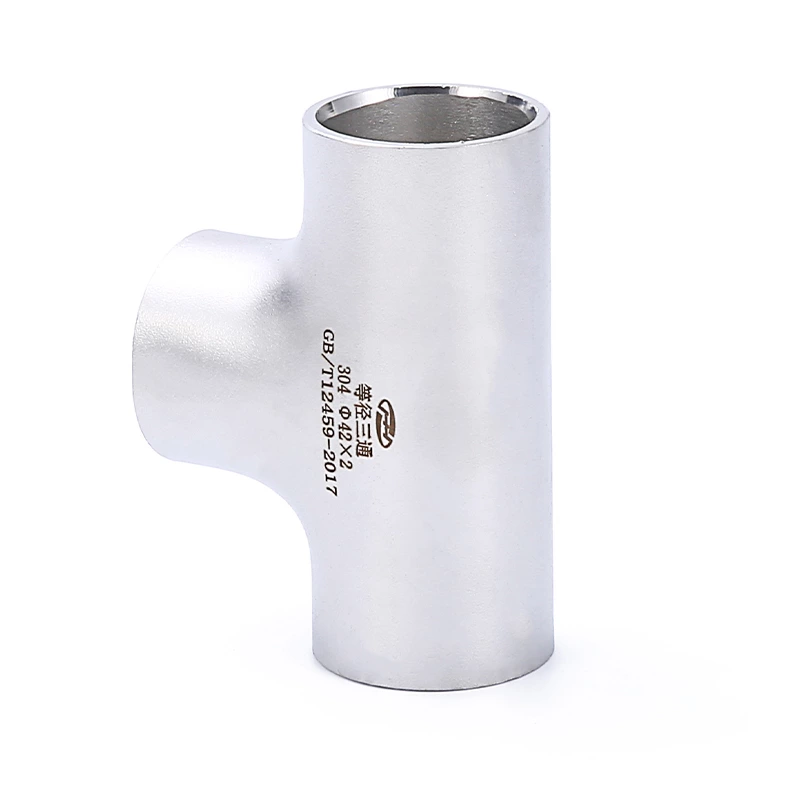
Maintaining the structural integrity of a piping network is essential for operational safety and longevity. Among the various components, the stainless steel pipe tee plays a critical role by facilitating flow distribution or consolidation. However, even the most robust materials are subject to wear and environmental stress, making regular sealing inspections a non-negotiable task for technicians.
Understanding the Role of Different Tee Configurations
Before diving into maintenance protocols, it is important to recognize the specific function of the component in use. A stainless steel equal tee is designed for branches where the diameter remains consistent, ensuring uniform pressure distribution. In contrast, systems requiring complex multi-directional flow might utilize a stainless steel cross tee to manage four-way intersections efficiently.
Common Specifications in Industrial Use
The choice of fitting often depends on the scale of the project. For residential or light industrial plumbing, a stainless steel 3 4 tee is a standard choice due to its balance of flow capacity and compact size. Regardless of the specific type, the primary failure point is often the seal or the threaded connection, where leaks can lead to significant pressure loss or fluid contamination.
How to Properly Check the Sealing Performance of Stainless Steel Tees
To ensure your system remains leak-free, follow these technical verification steps:
-
Visual Inspection: Look for localized discoloration or mineral buildup around the joints, which often indicates a slow, evaporating leak.
-
Pressure Testing: Utilize hydrostatic or pneumatic testing to verify that the joint can withstand 1.5 times its rated operating pressure.
-
Ultrasonic Detection: For high-pressure gas lines, use ultrasonic leak detectors to identify high-frequency sounds produced by escaping air that the human ear cannot detect.
What is the best way to maintain stainless steel tee seals?
To maintain optimal sealing performance, technicians should perform quarterly visual inspections and bi-annual pressure checks. Replacing worn gaskets and ensuring the correct torque is applied to threaded connections prevents 90% of common joint failures in industrial piping.
Performance Comparison of Connection Types
| Connection Method | Pressure Rating | Maintenance Frequency | Ease of Replacement |
| Threaded | Medium | High | Easy |
| Butt-Weld | Very High | Low | Difficult |
| Socket-Weld | High | Medium | Moderate |
Practical Applications and Environmental Factors
Environmental conditions significantly impact the lifespan of your fittings. In coastal or chemical processing environments, even high-grade alloys require monitoring for stress corrosion cracking. For instance, a stainless steel pipe tee used in a cooling system may face different thermal expansion stresses than one used in a chemical transport line.
By implementing a rigorous inspection schedule, you not only extend the life of the hardware but also safeguard the entire facility from unexpected downtime. Regular maintenance ensures that every stainless steel equal tee or specialized cross fitting performs exactly as engineered, maintaining system equilibrium and safety.