Mastering The Expansion And Pressing Process For Butt Weld Reducers
Understanding the manufacturing and application of pipe fittings is essential for ensuring system integrity in industrial piping. Whether you are dealing with fluid transport or structural support, choosing the right component—such as butt weld reducers—defines the efficiency of your flow dynamics.
What is a Pipe Reducer?
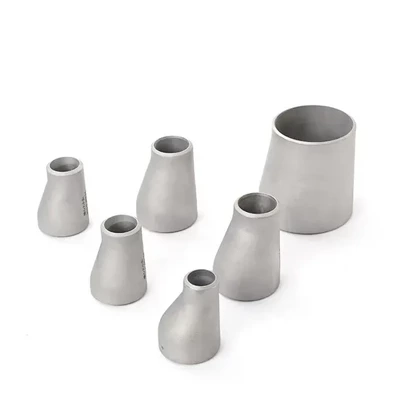
A pipe reducer is a specialized fitting used to connect two pipes of different diameters. This allows for a change in pipe size to meet hydraulic flow requirements or to adapt to existing equipment. These components are primarily categorized into two shapes: concentric and eccentric.
How do you choose between concentric and eccentric reducers?
A carbon steel concentric reducer is used for vertical pipelines to maintain the center line of the pipe, while eccentric reducers are preferred in horizontal suction lines to prevent air pockets. The choice depends on the installation orientation and the need to avoid cavitation or drainage issues.
Manufacturing Processes: Expansion and Pressing
The production of high-quality fittings involves precision engineering. For most standard applications, manufacturers utilize cold or hot pressing techniques to achieve the desired diameter transition.
The Role of Butt Weld Reducers
In heavy-duty industrial environments, butt weld reducers are the gold standard. They are welded directly to the pipes, providing a leak-proof and robust connection. When working with high-pressure systems, a con reducer sch 40 is a common specification, as the "Schedule 40" designation ensures the wall thickness is sufficient to withstand standard industrial stresses.
Expansion vs. Contraction
-
Expansion: The smaller end of the tube is expanded using a specialized internal mandrel to reach a larger diameter.
-
Pressing (Contraction): A larger pipe is compressed through a die to reduce its diameter.
The following table illustrates common material weight variations for standard industrial fittings:
| Nominal Size (inch) | Material Grade | Average Weight (kg) | Standard |
|---|---|---|---|
| 2 x 1 | Grade B | 0.45 | ASME B16.9 |
| 4 x 2 | Grade C | 1.20 | ASME B16.9 |
| 6 x 4 | Grade B | 2.85 | ASME B16.9 |
Specialized Fitting Types
While the con reducer is the most prevalent for permanent installations, other designs cater to specific industry needs:
-
Clamp Reducer: Often found in sanitary or food-grade applications, these allow for quick disassembly and cleaning.
-
Carbon Steel Concentric Reducer: Ideal for oil, gas, and petrochemical sectors due to its durability and cost-effectiveness.
By selecting the correct fitting, such as a con reducer sch 40, engineers ensure that the piping system maintains consistent pressure and minimizes turbulence at the transition points. Proper alignment during the welding process is critical to prevent structural weak points.