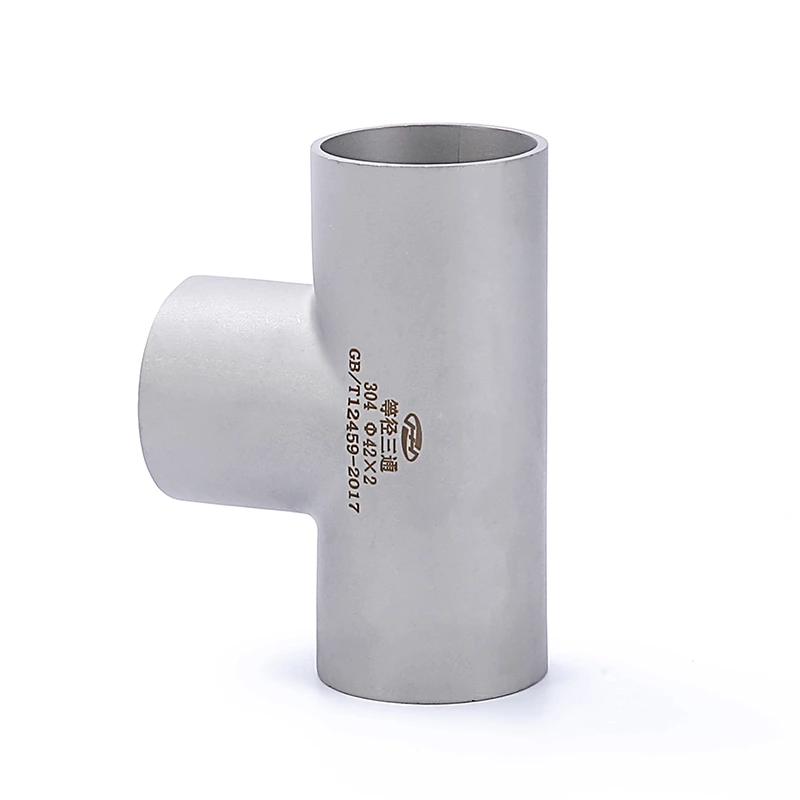
Prompt Detection And Handling Of Any Leaks Related To Stainless Steel Tees Are Crucial For Safety
Leaking pipe fittings can escalate from minor drips to catastrophic system failures in minutes. Whether in an industrial plant or a residential plumbing setup, identifying a compromised stainless steel street tee early is the only way to prevent costly property damage and safety hazards. Corrosion, improper threading, and pressure surges are common culprits that demand immediate attention to maintain system integrity.
The Hidden Risks of Ignoring a Damaged Stainless Steel T Joint
A small leak in a stainless steel t joint is often the precursor to a burst pipe. In high-pressure environments, even a hairline fracture can lead to significant fluid loss or chemical exposure. Beyond the immediate mess, persistent moisture leads to structural degradation and mold growth, which can compromise the health of technicians and residents alike.
To effectively manage your inventory and maintenance schedules, consider the following common specifications used in professional piping:
| Fitting Type | Standard Connection | Common Pressure Rating |
| Street Tee | Male to Female NPT | 150 PSI - 3000 PSI |
| Reducing Tee | Female Threaded | Sch 40 / Sch 80 |
| Equal Tee | Socket Weld | Class 3000 |
Common Causes of Failure in a Stainless Steel T Pipe
Understanding why a stainless steel t pipe fails is the first step toward a permanent fix. Most issues stem from:
-
Galvanic Corrosion: When dissimilar metals react, weakening the junction.
-
Over-tightening: Damaging the internal threads during installation.
-
Vibration Fatigue: Constant mechanical stress causing microscopic cracks in the fitting body.
How to Fix a Leaking Stainless Steel Threaded Reducing Tee
To fix a leaking stainless steel threaded reducing tee, first shut off the main fluid supply and depressurize the line. Inspect the threads for signs of stripping or debris. If the fitting is intact, re-apply a high-quality PTFE sealant tape or industrial-grade pipe dope and reassemble the joint. If the leakage persists or the metal shows signs of pitting, the fitting must be replaced immediately to ensure the safety of the entire network.
Preventative Maintenance for Long-Term Reliability
Regular inspections are the backbone of fluid system safety. Technicians should perform visual "walk-throughs" every six months, looking for salt buildup or discoloration around every stainless steel threaded reducing tee. Implementing a proactive replacement strategy for fittings showing 10% or more surface degradation can reduce emergency downtime by nearly 40% in industrial applications.