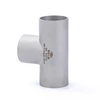
How Do Stainless Steel Elbows Perform In High-temperature Environments?
Maintaining pipeline integrity at elevated temperatures requires specific material properties. A stainless steel elbow serves as a critical junction, redirecting flow while enduring thermal expansion and oxidation. Selecting the correct grade ensures long-term safety and prevents premature mechanical failure in demanding industrial environments.
Durability Factors in Thermal Environments
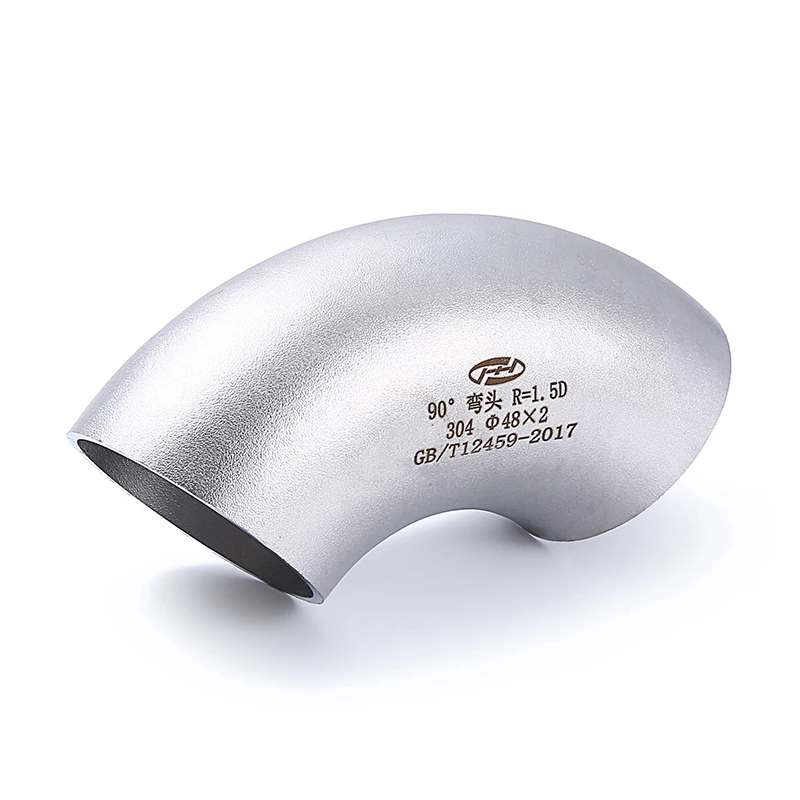
High-temperature performance depends largely on chromium and nickel content. These elements form a protective oxide layer that resists scaling. When a 90 degree steel pipe elbow is integrated into a steam or exhaust system, it must maintain its structural shape without significant sagging or creep deformation.
Critical Material Properties
-
Oxidation Resistance: The ability to withstand oxygen exposure without losing metal thickness.
-
Creep Strength: Resistance to slow, permanent deformation under long-term thermal stress.
-
Thermal Expansion: How much the steel elbow expands as temperatures rise, affecting joint stability.
Technical Specifications for High-Heat Fittings
Different pipe sizes handle heat distribution uniquely. For instance, a 3 4 stainless steel elbow is often utilized in precision instrumentation lines where heat dissipation is rapid. In contrast, larger 4 stainless steel elbow components are standard in heavy-duty furnace ducting or chemical processing units.
Comparison of Common Heat-Resistant Grades
| Grade | Max Operating Temperature | Common Application |
|---|---|---|
| 304 | 870°C | General Heat Exchange |
| 316 | 925°C | Marine/Chemical Heat |
| 310S | 1150°C | Kilns and Furnaces |
| 321 | 900°C | Aircraft Exhausts |
Operational Impact of Geometry and Size
The radius of a 1 steel elbow influences how fluid friction generates additional heat. A tighter bend may create turbulence, leading to localized "hot spots" that accelerate corrosion. Utilizing a 90 degree steel pipe elbow with a smooth interior finish helps minimize these thermal gradients within the system.
Installation Practices for High Temperatures
-
Stress Analysis: Calculate the load on every 4 stainless steel elbow to prevent thermal fatigue.
-
Proper Support: Use hangers that allow for movement during heating cycles.
-
Insulation: Apply thermal wraps to keep the outer surface of the 3 4 stainless steel elbow within safe limits.
-
Regular Inspection: Check for discoloration or warping, which indicates the steel elbow has exceeded its design temperature.
Selecting high-quality fittings ensures that the entire piping network remains robust. Whether installing a 1 steel elbow in a small lab or a large 4 stainless steel elbow in a factory, material grade remains the most vital factor for success.