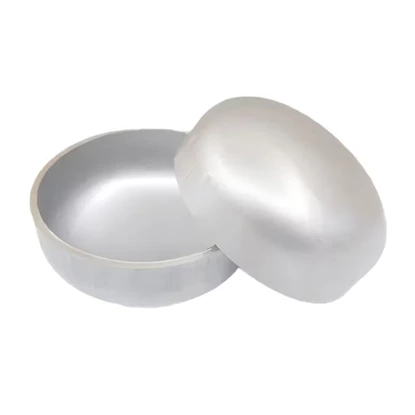
Avoiding Problems From Improper Heat Treatment Of Stainless Buttweld Caps
Stainless buttweld caps and steel buttweld caps are critical components in piping systems, protecting pipe ends and maintaining system integrity. One key factor affecting their durability is proper heat treatment. Heat treatment influences mechanical properties such as hardness, tensile strength, and corrosion resistance. Improper processes can lead to cracks, distortion, or premature failure, which increases maintenance costs and risks system downtime.
Common Heat Treatment Issues
Heat treatment errors often occur during manufacturing or post-welding processes. For stainless steel buttweld caps, these problems include:
- Overheating: Exceeding recommended temperatures can cause grain growth, reducing toughness.
- Underheating: Insufficient temperature may prevent proper stress relief, leading to residual stress and deformation.
- Rapid Cooling: Quenching too quickly can create internal stresses and microcracks, compromising performance.
Table: Typical Heat Treatment Parameters for Stainless Steel
| Stainless Steel Grade | Recommended Annealing Temp (°C) | Cooling Method |
|---|---|---|
| 304 | 1010–1120 | Air or water |
| 316 | 1010–1120 | Air or water |
| 321 | 925–975 | Air |
These guidelines help manufacturers and maintenance personnel reduce the risk of defects.
Impact on Performance and Longevity
Incorrect heat treatment can significantly affect the performance of stainless buttweld caps. For example, a 6-inch stainless steel buttweld cap used in a chemical processing line experienced early pitting because improper annealing left residual stresses. Conversely, correctly heat-treated caps maintain corrosion resistance and structural integrity over years of service, even in high-temperature or corrosive environments.
Best Practices for Maintenance and Inspection
To avoid failures, follow these practical steps:
- Verify material certificates and heat treatment logs before installation.
- Conduct periodic visual inspections for cracks or deformation.
- Use non-destructive testing methods, such as ultrasonic or dye-penetrant testing, to detect hidden defects.
- Train personnel to handle caps correctly during welding and post-weld processes.
By implementing these measures, both technical staff and casual users can ensure reliable performance and safety.