Mastering Industrial Piping: Selecting The Right 4 Stainless Elbow For High-performance Systems
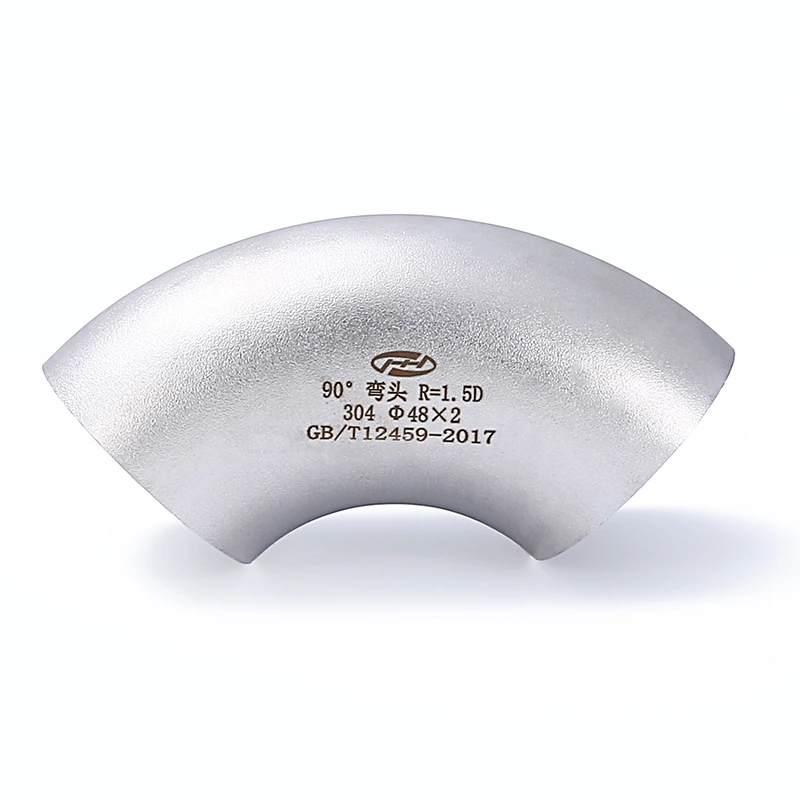
In modern fluid transport, the integrity of a piping network hinges on connection precision and material compatibility. Selecting a 4 stainless elbow requires a technical understanding of how assembly methods impact pressure ratings and flow dynamics. Engineers prioritize solutions that maintain structural continuity while minimizing potential leak points within the infrastructure.
Advanced Assembly Logic for Stainless Steel Fittings
The Technical Role of Welding
Welding is the standard assembly method for the 4 inch stainless steel 90 degree elbow in heavy-duty environments. This process creates a metallurgical bond, resulting in a joint with structural strength equivalent to the pipe itself. For systems transporting high-temperature or high-pressure media, fused joints eliminate risks associated with gasket degradation or mechanical loosening over time.
In professional installations, specific welding techniques are chosen based on the pipe schedule and operational demands:
-
Butt-Weld (BW): Utilized for large-diameter lines, providing a smooth internal transition and minimal fluid turbulence.
-
Socket Weld (SW): Applied to high-pressure, small-diameter applications where the pipe fits into a recessed area of the fitting for easier alignment.
Mechanical and Threaded Alternatives
When working with a 3 stainless 90, threaded connections offer a practical alternative for low-pressure or temporary installations. This approach utilizes mechanical locking and sealing compounds to provide a secure fit without the need for hot work. Such configurations allow for straightforward maintenance and component replacement in systems that require periodic cleaning or reconfiguration.
Corrosion Resistance and Material Stability
Maintaining the passivation layer is vital when installing a 2 inch 90 degree elbow steel component in corrosive chemical environments. Selecting compatible filler metals during the assembly process preserves chromium levels at the joints, preventing intergranular corrosion. Strategic assembly sequences manage heat-affected zones, extending the operational life of the entire piping infrastructure.