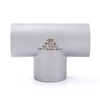
Core Components Of Pipe Connections: A Deep Dive Into Reducers
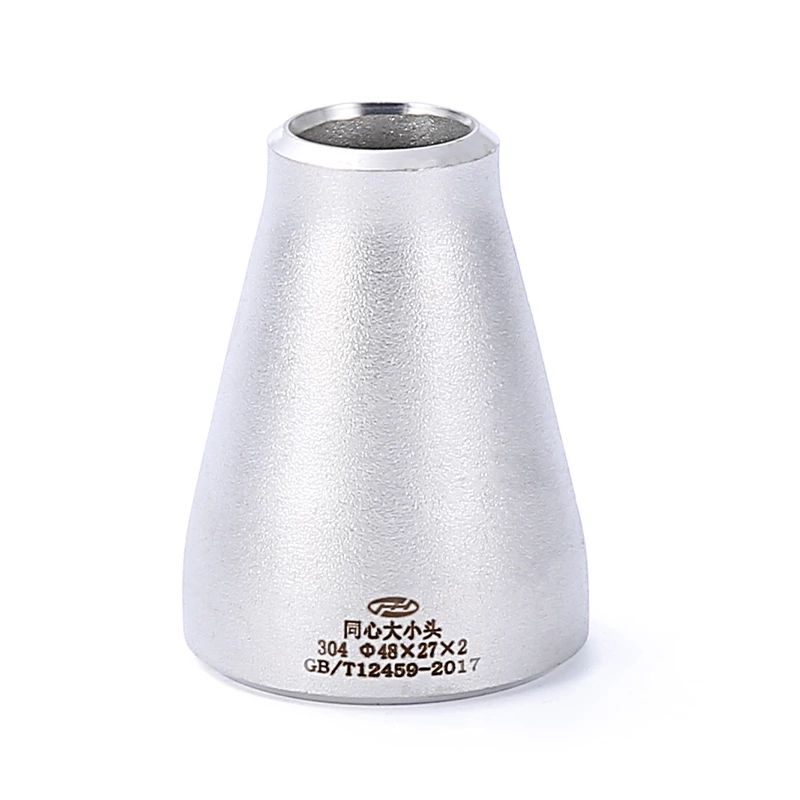
In the construction of industrial pipeline networks, how can the diameter of fluid channels be smoothly changed? 4 x 3 concentric reducer is a type of pipe fitting used at pipe diameter changes. With its unique tapered or eccentric structure, it allows pipes of different diameters to be connected together seamlessly. Although this fitting looks simple, it plays an irreplaceable role in maintaining the system's flow and pressure balance.
Two Common Structural Types
Based on the alignment of the pipe centerline, this fitting is generally divided into two core types. Although their basic function is diameter change, choosing the correct model directly affects the smoothness of fluid flow during actual installation:
-
Concentric Reducer: The centers of the two ports are on the same axis. If you look at it from the front, it looks like a regular cone. This structure is very popular in vertically installed pipelines because it allows the fluid to contract or expand evenly.
-
Eccentric Reducer: Its two ports are not on a straight line; one side is straight. This design is very practical in horizontal pipelines. For example, to prevent air or residual liquid from accumulating inside the pipes, installers often choose between "top-flat" or "bottom-flat" installation methods depending on the needs.
The Art of Selection and Material Selection
When choosing 6 x 2 concentric reducer piping, experienced technicians often first check whether the material matches the existing piping. Common choices include carbon steel, stainless steel, and various alloy steels, mainly depending on what's running in the pipes. For highly corrosive chemical media, stainless steel is obviously more reliable; for ordinary plumbing systems, carbon steel offers better value for money.
Besides material, the connection method is also crucial. Common methods include butt welding, socket welding, and threaded connections. In large-diameter, high-pressure environments, butt welding with 6 x 3 concentric reducer is often the preferred method because the weld formed by this connection method is more robust.
Tips to Extend Pipeline Life
Ensuring the quality of 6 x 4 concentric reducer is only the first step in making the entire piping system last longer. During installation, pay close attention to the fullness of the weld seams. If you find that the noise is abnormally increased when the fluid is flowing, it is likely that the scouring is caused by a sudden change in flow velocity at the change of diameter. In this case, you need to re-evaluate whether the selection is appropriate.