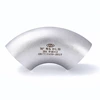
How To Fix Out-of-tolerance Head Dimensions? Several Details Determine Molding Quality
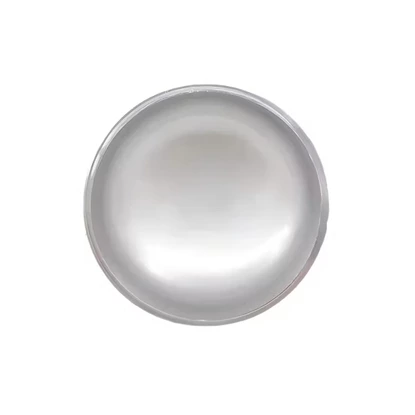
The stainless steel weld caps device consistently misaligns, exhibiting large roundness deviations, making subsequent assembly and welding a disaster. Simply put, the poor quality of this post-forming work largely stems from inadequate springback control during cold spinning or stamping.
The Intricate Struggle Between Die and Process Parameters
The wear and tear of the forming die directly affects the geometry of the finished product. If the arc transition area of the mold itself is not smooth enough, the edge of the pressed weld on pipe caps steel will definitely be uneven. Parameter setting is also a technical skill; insufficient spinning pressure leads to incomplete sheet metal deformation, resulting in a distorted appearance.
Three Major Factors Affecting Accuracy
-
Material Springback Coefficient: Different materials have different yield strengths; the springback logic of stainless steel and carbon steel is completely different.
-
Heating Temperature Fluctuations: Uneven heat control during hot pressing results in inconsistent metal flow rates.
-
Measuring Tool Errors: Still using those old measuring tapes to measure diameters? Those few millimeters of error in the reading are enough to cause misalignment during subsequent assembly.
The operator's skill also plays a significant role. Experienced operators will fine-tune the spindle speed in real time based on the thickness deviation of the sheet metal. If the machine simply runs the program rigidly, the final thickness reduction to butt weld pipe cap will definitely be excessive when encountering uneven sheet thickness.
To make subsequent pressure vessel assembly easier, close attention must be paid during the material preparation stage. Even a slight miscalculation of the blank dimensions will make it difficult to meet the required straight edge height after forming.