Effective Solutions For Damaged Stainless Steel Tees: A Technical Recovery Guide
When a stainless steel tee in a high-pressure piping system begins to leak or deform, immediate action is required to prevent systemic failure. Structural compromises often stem from improper material selection or installation errors. Addressing these issues promptly ensures the longevity of the fluid transport network and maintains operational safety standards.
Identifying Common Failure Modes in Steel Fittings
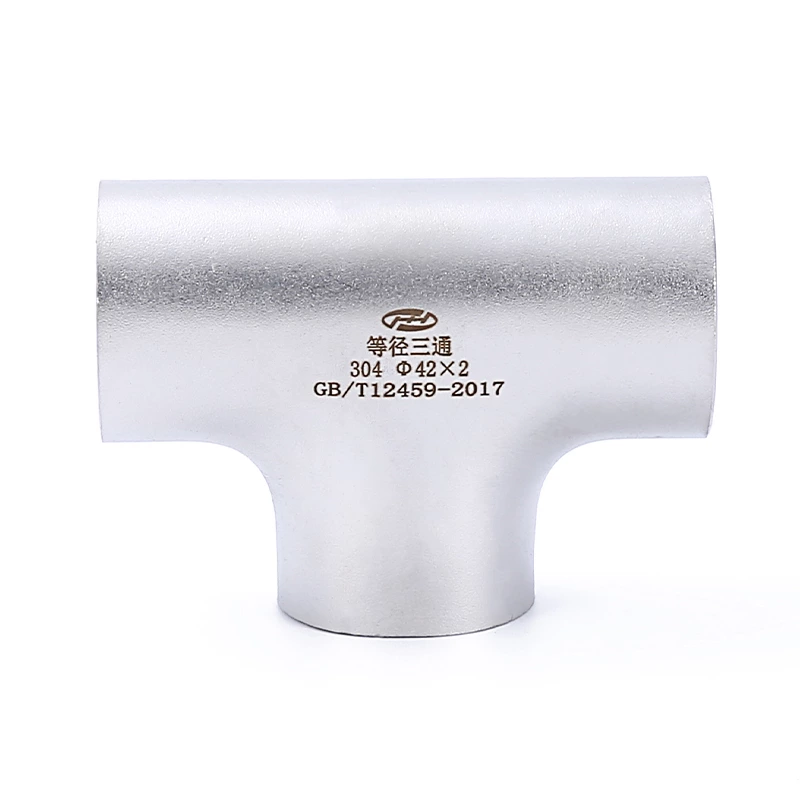
Damage to a stainless steel tee typically manifests as stress corrosion cracking or thread stripping. In a recent industrial case, a cooling system experienced a 15% pressure drop due to a hairline fracture in a junction. Technicians discovered that the chemical environment was too aggressive for the specific grade of steel used, leading to rapid localized pitting.
Assessment of Connection Integrity
Mechanical failures often occur at the connection points. A common issue involves the over-tightening of a stainless steel threaded tee, which can lead to galling. This cold-welding process ruins the precision of the threads, making it impossible to achieve a liquid-tight seal without replacing the entire component.
Structural Irregularities in Branching
In systems utilizing a stainless steel unequal tee, the reduced branch often faces higher turbulence. This concentrated flow can erode the internal walls over time. Monitoring the wall thickness at the junction is essential, as a 20% reduction in thickness significantly increases the risk of a catastrophic burst under peak loads.
Comparison of Replacement Options
| Fitting Type | Primary Application | Durability Rating | Maintenance Need |
|---|---|---|---|
| Equal Tee | Uniform flow distribution | High | Low |
| Reducing Tee | Flow redirection | Medium | Periodic |
| Threaded Fitting | Low-pressure systems | Medium-High | High (Seals) |
Step-by-Step Restoration Process
-
Isolation and Depressurization: Stop the flow and ensure the internal pressure reaches zero before attempting any removal.
-
Visual Inspection: Check the surrounding pipes for signs of secondary fatigue or misalignment caused by the failed stainless t fitting.
-
Component Removal: Use specialized tools to extract the damaged part without scarring the connecting pipe threads or surfaces.
-
Material Verification: Match the replacement grade (e.g., 304 or 316) to the specific temperature and chemical requirements of the media.
-
Precision Installation: Apply appropriate lubricants or sealants and tighten to the manufacturer's specified torque to avoid mechanical stress.
Preventive Strategies for Long-term Performance
To prevent future damage, implement a routine ultrasonic testing schedule for every stainless steel tee within the facility. Transitioning to higher-grade alloys or increasing the schedule of the pipe wall inspections can reduce unexpected downtime by nearly 40%. Correct alignment during the initial setup remains the most effective way to avoid premature fitting fatigue.